Common Currency Exchange Mistakes and How to Avoid Them

Exchanging currency seems simple enough. You hand over Australian dollars and get foreign notes in return. But a surprising number of travelers and businesses lose money on exchanges without realising it, simply because of a few avoidable habits. Whether you are heading overseas for a holiday, sending funds for a big purchase, or managing currency for your business, knowing where people typically go wrong can save you a meaningful amount of money.

Here are the most common currency exchange mistakes we see, and simple ways to avoid each one.

Leaving it until the airport

Mistake One: Leaving It Until the Airport

This is by far the most common mistake. Airport exchange counters are convenient, but that convenience comes at a cost. Because travellers are a captive audience with limited time, airport kiosks often apply weaker rates and higher margins than exchanging in advance.

How to avoid it: Plan your currency needs at least a few days before you fly. Comparing rates ahead of time and exchanging through a licensed provider usually gets you noticeably more for your money than a last minute airport transaction.

Mistake Two: Assuming Your Bank Offers the Best Rate

Mistake Two: Assuming Your Bank Offers the Best Rate

Many people assume their everyday bank is the safest and most competitive place to exchange currency, simply because it is familiar. In reality, banks often build a wider margin into their exchange rates than specialist currency exchange providers, and they may also charge additional fees for international transactions or cash orders.

How to avoid it: Compare rates across a few providers before exchanging. A specialist currency exchange service, particularly one that is transparent about its rates, can often work out better value than a general bank transaction.

Mistake Three: Not Locking In a Rate Before a Big Purchase

Mistake Three: Not Locking In a Rate Before a Big Purchase

If you have a significant overseas purchase coming up, whether that is a deposit on a property, school fees, or a large business payment, waiting too long to exchange can be costly. Exchange rates move constantly, and a shift of even a percent or two can add up to a large amount on a sizeable transaction.

How to avoid it: If your purchase date is fixed and you know how much foreign currency you will need, consider locking in today’s rate ahead of time. This protects your budget from unexpected market movement between now and the day you actually need the funds.

Mistake Four: Exchanging Everything Into Cash

Mistake Four: Exchanging Everything Into Cash

Carrying a large amount of foreign cash feels reassuring, but it also carries risk. Lost or stolen cash typically cannot be recovered, and carrying excessive amounts through airports and unfamiliar cities is simply unnecessary in most cases.

How to avoid it: Work out roughly how much cash you will genuinely need for daily expenses, tips, and situations where cards are not accepted, then exchange that amount. There is rarely a need to carry more than a sensible buffer.

Mistake Five: Ignoring the Difference Between the Displayed Rate and the Real Rate

Mistake Five: Ignoring the Difference Between the Displayed Rate and the Real Rate

Some providers advertise an attractive headline rate, but once fees, commissions, or unfavourable rounding are applied, the actual amount received is quite different. This lack of transparency catches out a lot of first time customers.

How to avoid it: Ask exactly how much you will receive in hand before committing to an exchange, including any fees. A reputable, licensed exchange provider should be upfront about the total amount you will walk away with.

Mistake Six: Not Checking If a Provider Is Licensed and Regulated

Mistake Six: Not Checking If a Provider Is Licensed and Regulated

Currency exchange involves handing over your money, so it matters who you are dealing with. Unregulated or informal exchange operators may offer tempting rates but provide little protection if something goes wrong.

How to avoid it: Always exchange through a provider licensed and regulated by the relevant authorities, such as ASIC and AUSTRAC in Australia. This ensures your transaction is handled by a business that meets recognised compliance and security standards.

Mistake Seven: Forgetting About Leftover Foreign Currency

Mistake Seven: Forgetting About Leftover Foreign Currency

Many travellers return home with unused foreign notes sitting in a drawer, often without realising they can convert it back. Over time, uncollected foreign currency is effectively money left on the table.

How to avoid it: If you return from a trip with leftover cash, look into exchanging it back rather than letting it sit unused. Some providers also offer a foreign cash buyback option, making this a straightforward step rather than something to put off.

Final-thoughts-common

Final Thoughts

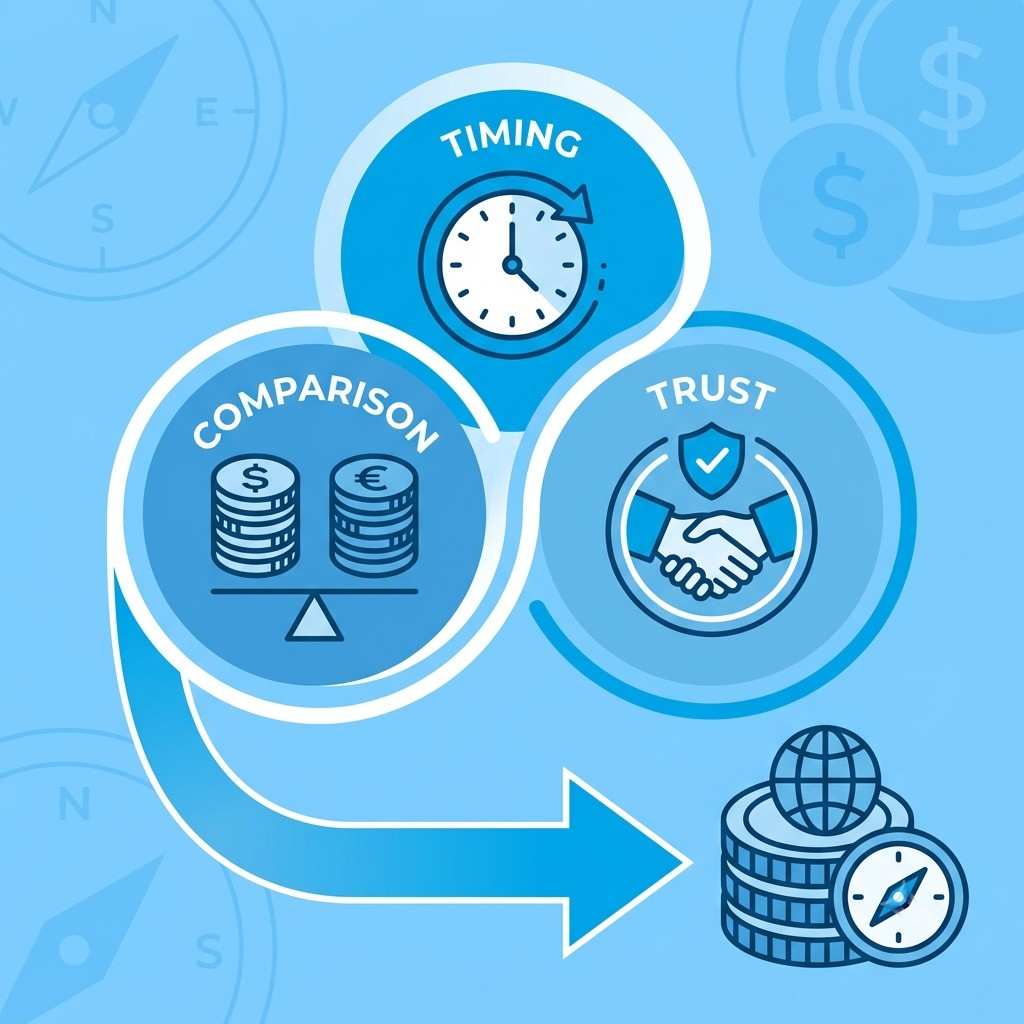
Most currency exchange mistakes come down to timing, comparison, and trust. Exchanging too late, sticking with a familiar but uncompetitive option, or not checking who you are dealing with can all quietly cost you money. The good news is that each of these mistakes is easy to avoid with a little planning and the right provider.

Before your next trip or overseas payment, take a few minutes to compare rates, understand exactly what you will receive, and choose a licensed provider you can trust. That small effort upfront can make a real difference to how far your money goes.

Get It Right With Danesh Exchange

At Danesh Exchange, we help customers avoid these common pitfalls every day. Compare our live currency exchange rates before you commit to an exchange, or lock in today’s rate if you have a big purchase coming up. Returning from a trip with leftover notes? Check out our foreign cash buyback service. And as a business licensed and regulated by ASIC and AUSTRAC, you can exchange with confidence.

Visit our branch locations or call us on 03 8753 7579 to get your next exchange right the first time.

Get It Right With Danesh Exchange
About the author
Murtaza Danesh

Murtaza Danesh

Managing Director, Danesh Exchange

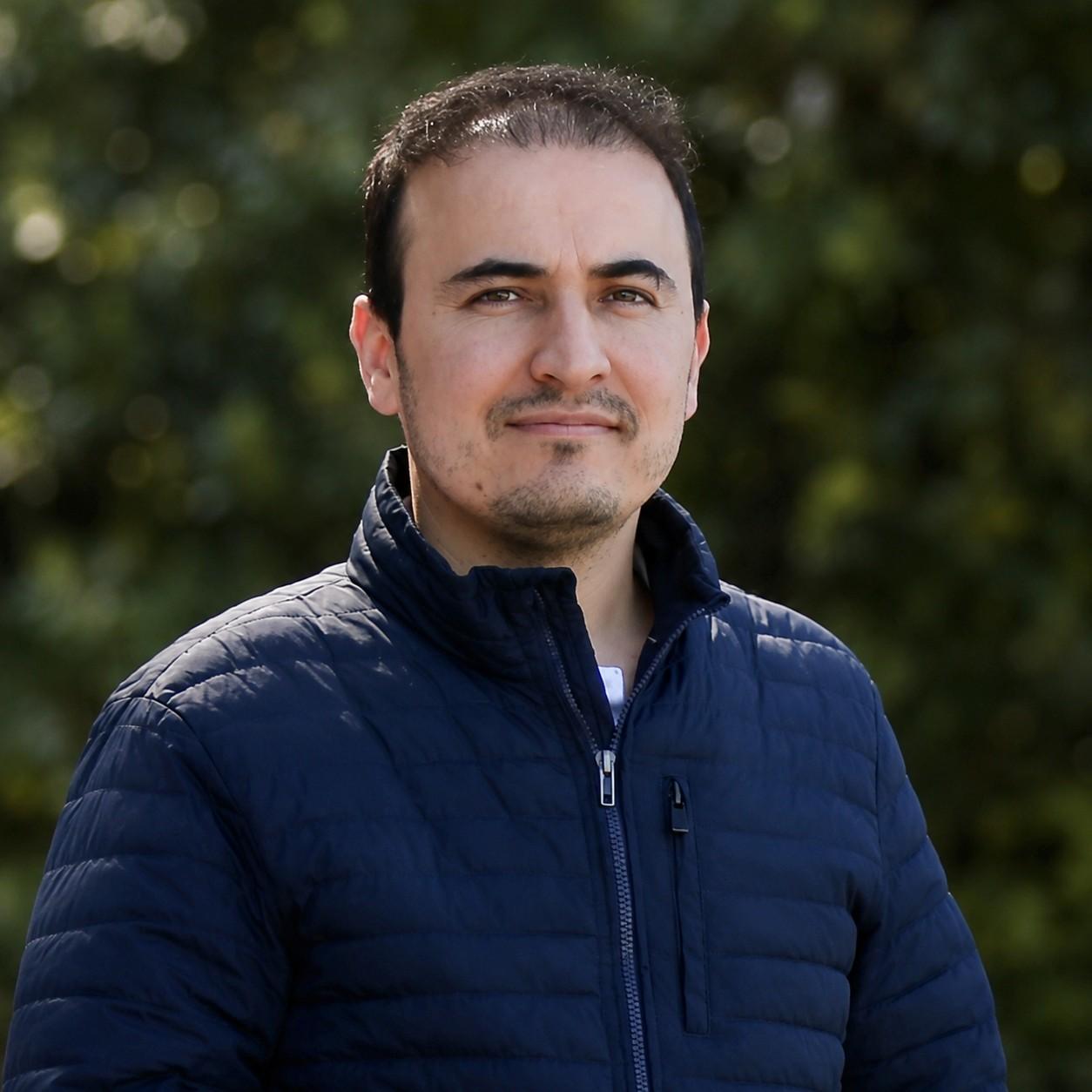
Murtaza Danesh is the Managing Director of Danesh Exchange, a licensed foreign currency exchange provider based in Melbourne, Australia, regulated by ASIC and AUSTRAC. He has worked in the foreign currency exchange industry for over 15 years, starting as a manager at a Dandenong-based currency exchange business before founding and leading Danesh Exchange.

Murtaza holds an ACAMS certification (Association of Certified Anti-Money Laundering Specialists), a globally recognised credential in financial crime prevention and regulatory compliance, and a Bachelor's degree from RMIT University. His day-to-day work involves overseeing currency exchange operations, compliance with Australian financial regulations, and helping thousands of customers exchange currency safely and transparently.