Cash vs Card: What Should You Carry When Travelling Overseas?
Packing for an overseas trip always comes with the same last minute question: how much cash should I carry, and can I just rely on my card instead? It seems like a small decision, but it can affect your budget, your safety, and even how much you end up paying in hidden fees. The truth is, there is no single right answer for every traveller. The best approach depends on where you are going, how long you are staying, and how you like to manage your money on the road.
In this guide, we break down the pros and cons of cash and cards and share a practical approach that most seasoned travelers actually use.

The Case for Carrying Cash
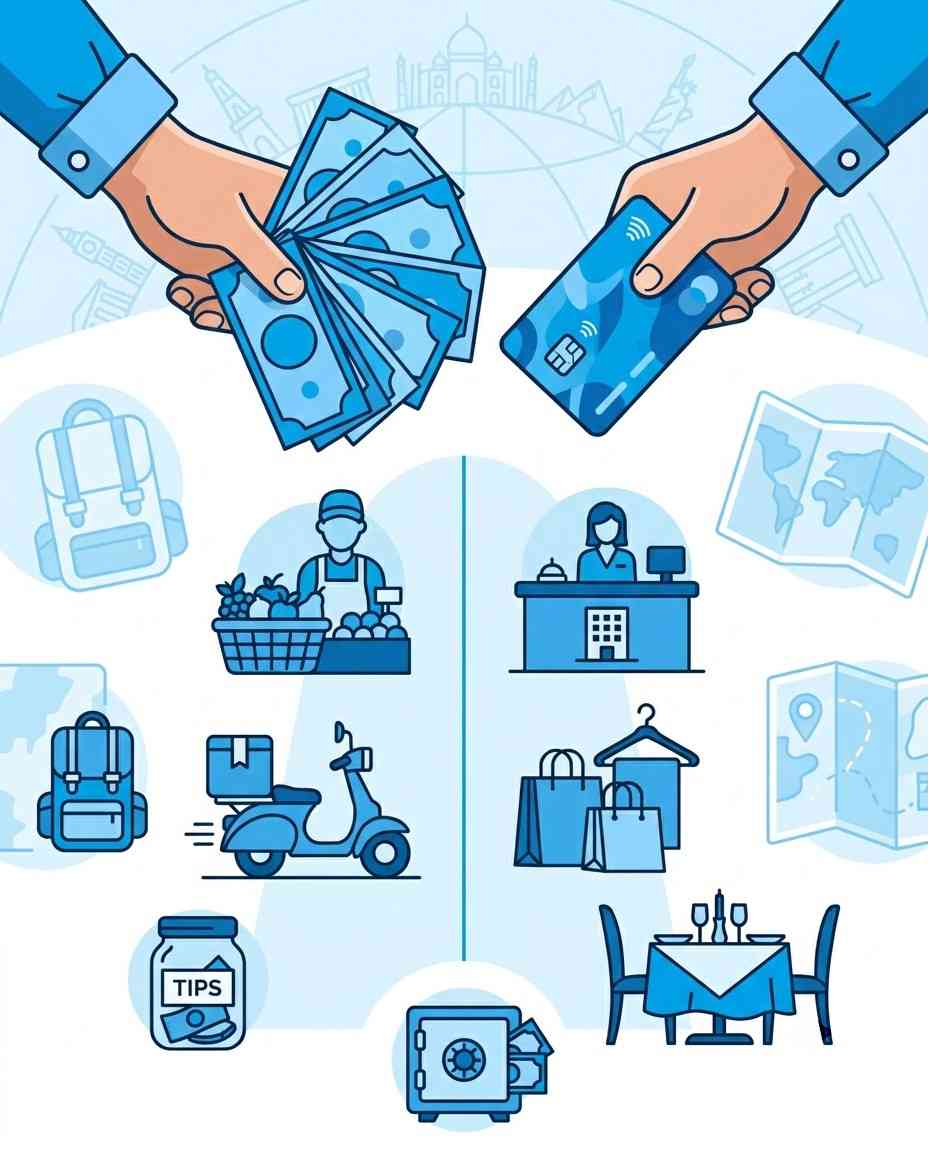
Cash still matters more than most people expect, even in an increasingly digital world. Here is why:

The downside is obvious. Carrying large amounts of cash means carrying risk. Lost or stolen cash cannot be recovered, and exchanging money at the airport or through unfamiliar vendors can mean paying a poor rate. This is why it helps to plan your currency exchange in advance rather than leaving it to the last minute.
The Case for Using Cards
Cards, particularly travel friendly debit and credit cards, offer convenience that cash simply cannot match:
That said, cards are not perfect either. International transaction fees, foreign currency conversion charges, and unfavorable exchange rates applied by your bank can quietly add up. Some travelers are shocked to find that a card they assumed was cost effective actually charged more than exchanging cash upfront would have.
So, Which One Should You Actually Carry?
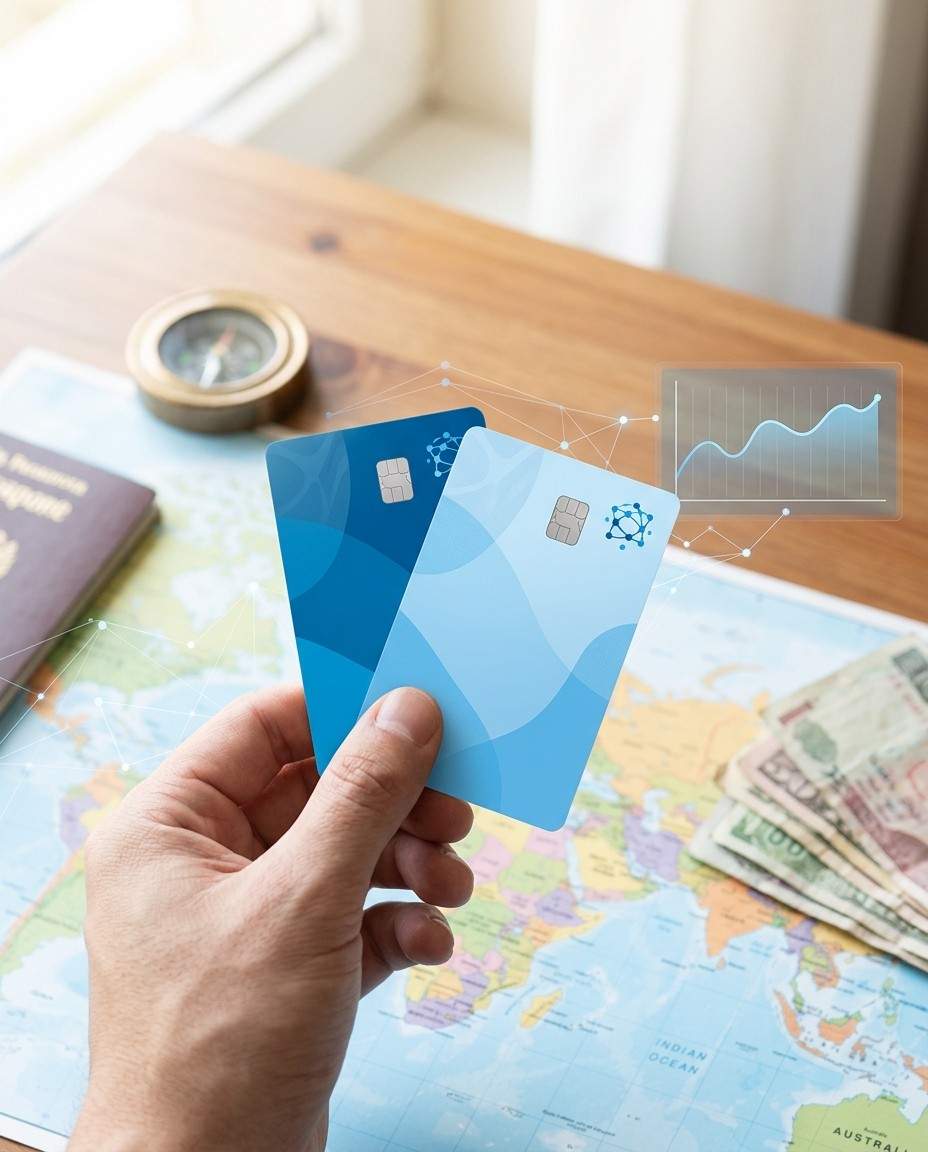
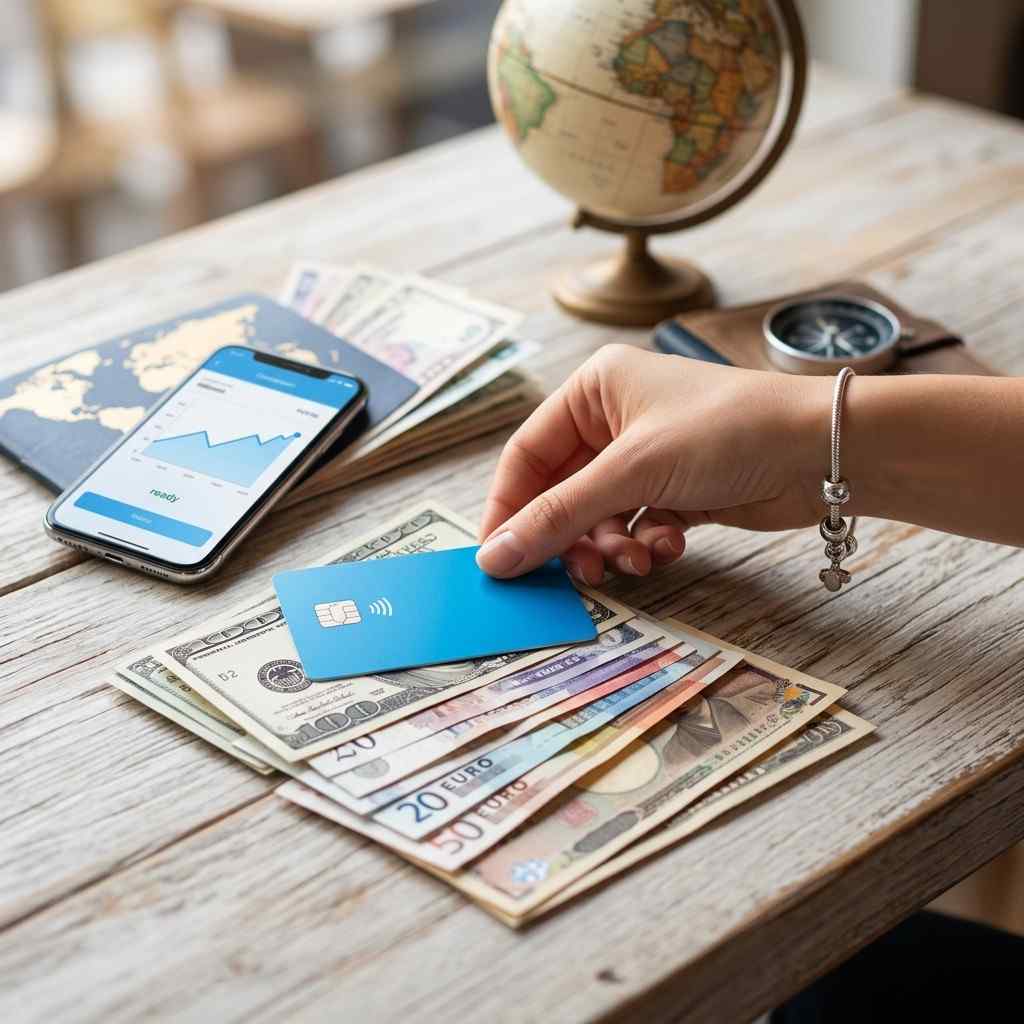
The honest answer is both, used strategically. Relying entirely on one method leaves you exposed, whether that is the risk of losing cash or the risk of being stuck without a working card. A smarter approach is to split your travel money:
This balance gives you the safety net of cash and the convenience of cards, without depending too heavily on either one.
Do Not Forget About Exchange Rates and Fees
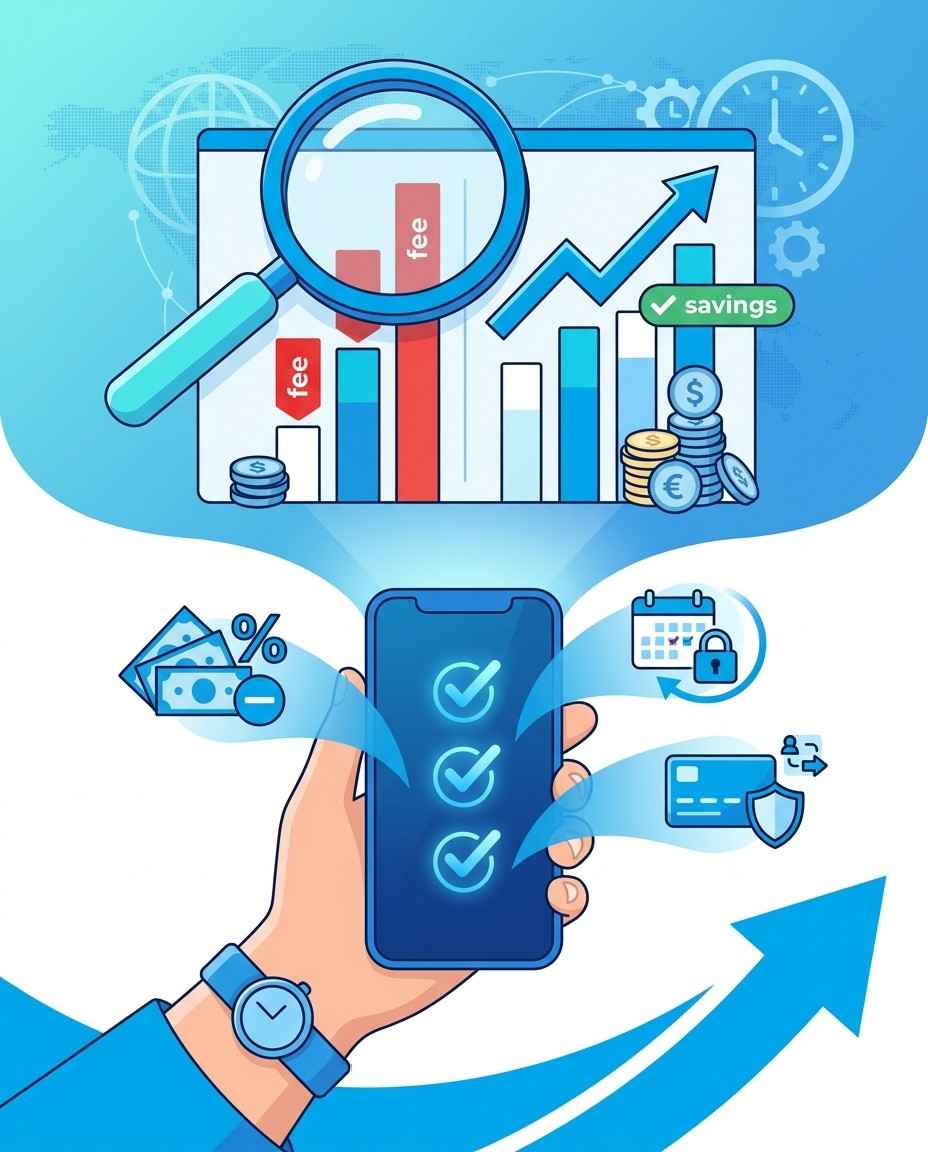
Whichever mix you choose, the exchange rate you get matters just as much as how much cash or card balance you carry. A poor rate at the airport, or hidden card conversion fees, can quietly eat into your travel budget without you noticing until you check your statement. This is where planning ahead pays off.
Comparing today’s rates before you travel and understanding how currency values move can help you decide the right time to exchange. If you have a big overseas purchase or trip coming up, it is worth looking into locking in a rate ahead of time so market movement does not work against you.
A Few Practical Tips Before You Travel
- Exchange a portion of your cash before you fly, rather than relying solely on airport counters, which often offer weaker rates.
- Notify your bank of your travel dates so your card is not flagged or blocked overseas.
- Split your cash and cards across different bags or pockets, so a single loss does not leave you stranded.
- Check whether your destination is more cash reliant or card friendly. Some countries lean heavily one way.
- Keep a note of emergency contact numbers for your bank in case you need to block a card quickly.
Final Thoughts
There is no universal rule that says cash or card wins for every trip. Most experienced travellers use a thoughtful combination of both, backed by a bit of planning before departure. The goal is simple: enough cash to stay flexible, a reliable card as backup, and a good exchange rate locked in before you go, so your money stretches further wherever you land.
If you are getting ready for an overseas trip, a good first step is comparing current exchange rates and deciding how much foreign currency you will actually need. A little planning now can save you from paying more than necessary once you are already overseas.
Ready to Sort Your Travel Money?
At Danesh Exchange, we make it simple to compare live currency exchange rates and get the currency you need before you travel. If you have a big purchase or trip coming up, you can also lock in today’s rate so market movement does not catch you off guard. New customers can even take advantage of our zero commission first exchange offer.
Visit our branch locations or get in touch on 03 8753 7579 to plan your travel money today.