Planning a Trip to Japan? A Complete Guide to Buying Japanese Yen in Australia
Japan is one of those destinations that gets under your skin long before you land. The itinerary is planned, the ryokan is booked, and the list of ramen restaurants you want to try has its own spreadsheet tab. But there is one thing that first-time visitors and even seasoned Japan travellers often underestimate: how much Japanese Yen (JPY) you actually need, and how important it is to organise it before you leave Australia.
This guide walks you through everything you need to know about buying Japanese Yen in Australia, why Japan is still very much a cash-first society, how much to carry, and how to secure the best JPY exchange rates before your flight departs.
Why Japan Is Still a Cash-First Country
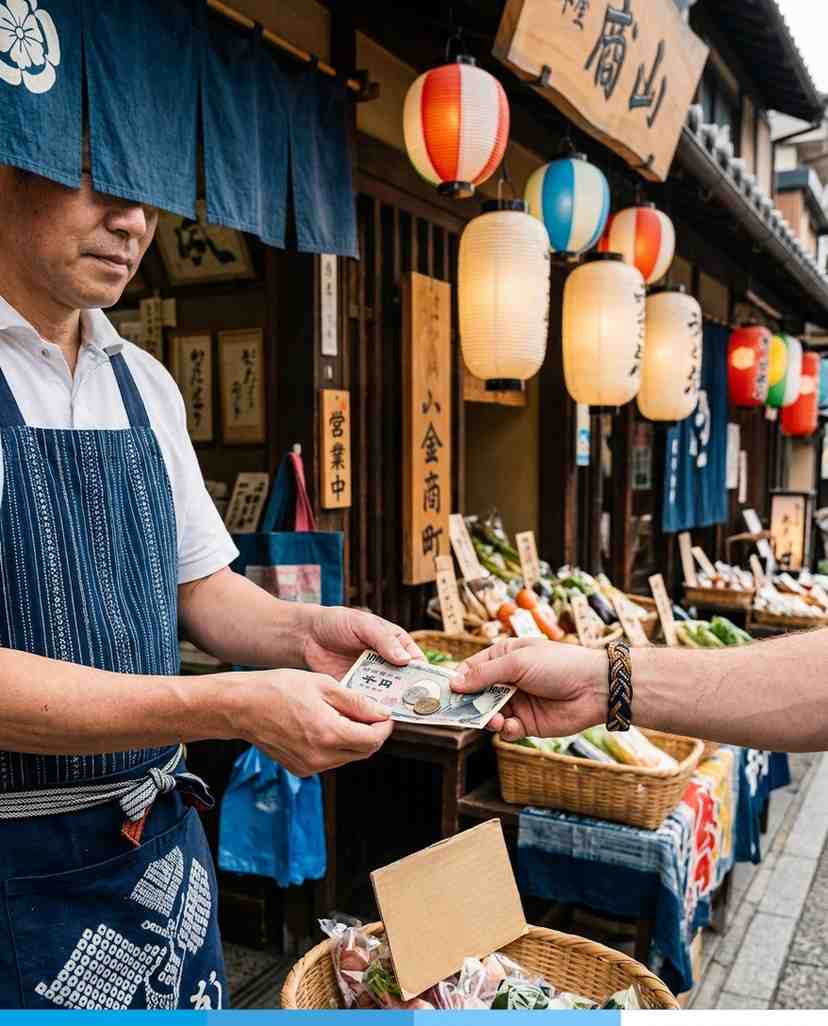
Japan’s relationship with cash is one of the most frequently surprising things for Australian travellers. Here is a country at the absolute frontier of technology, bullet trains, robot restaurants, vending machines on every corner, and yet physical notes and coins remain the dominant payment method across enormous parts of daily life.
This is not a quirk that is quietly disappearing. Cash is deeply embedded in Japanese culture, tied to values around privacy, precision, and social respect. Handing over exact change at a register is considered courteous. Tipping with a card is not a concept that translates. And in rural areas, traditional inns, smaller restaurants, and local markets, the assumption is simply that you will be paying in Yen.
Practical reality: Many convenience stores (konbini), mid-range restaurants, and small retailers in Japan still do not accept international cards. Even in Tokyo, you will regularly find yourself at a cash-only register with a queue forming behind you. Having Yen in your wallet is not optional, it is essential.
Common cash-only or cash-preferred situations in Japan include:

How Much Japanese Yen Should You Bring?
This is the question every Japan-bound traveller asks, and the honest answer is: more than you think. Japan is generally a safe and well-priced destination, but cash spending adds up faster than expected when most of your daily transactions happen in notes rather than on a card.
As a rough guide for Australian travellers:
| Trip Length | Budget Traveller | Mid-Range Traveller |
| 7 days | JPY 70,000 – 90,000 | JPY 100,000 – 150,000 |
| 10 days | JPY 100,000 – 130,000 | JPY 150,000 – 220,000 |
| 14 days | JPY 140,000 – 180,000 | JPY 200,000 – 300,000 |
These figures cover daily cash spending meals, transport, entry fees, and incidentals. Accommodation, Shinkansen passes, and larger purchases are typically paid by card or pre-booked online. Adjust upward if you plan to visit high-cost cities like Kyoto during peak cherry blossom or autumn foliage season, when everything from accommodation to street food prices edges higher.
A useful rule of thumb: always have at least JPY 10,000 in your wallet at any given time. Running out of Yen in a rural town or smaller city is a genuinely stressful experience not every location has a convenient international ATM nearby.
Where to Buy Japanese Yen in Australia
Australian travellers have several options for purchasing JPY before departure. They are not all equal and the differences in rate and convenience are significant.



How to Get the Best JPY Exchange Rates from Australia
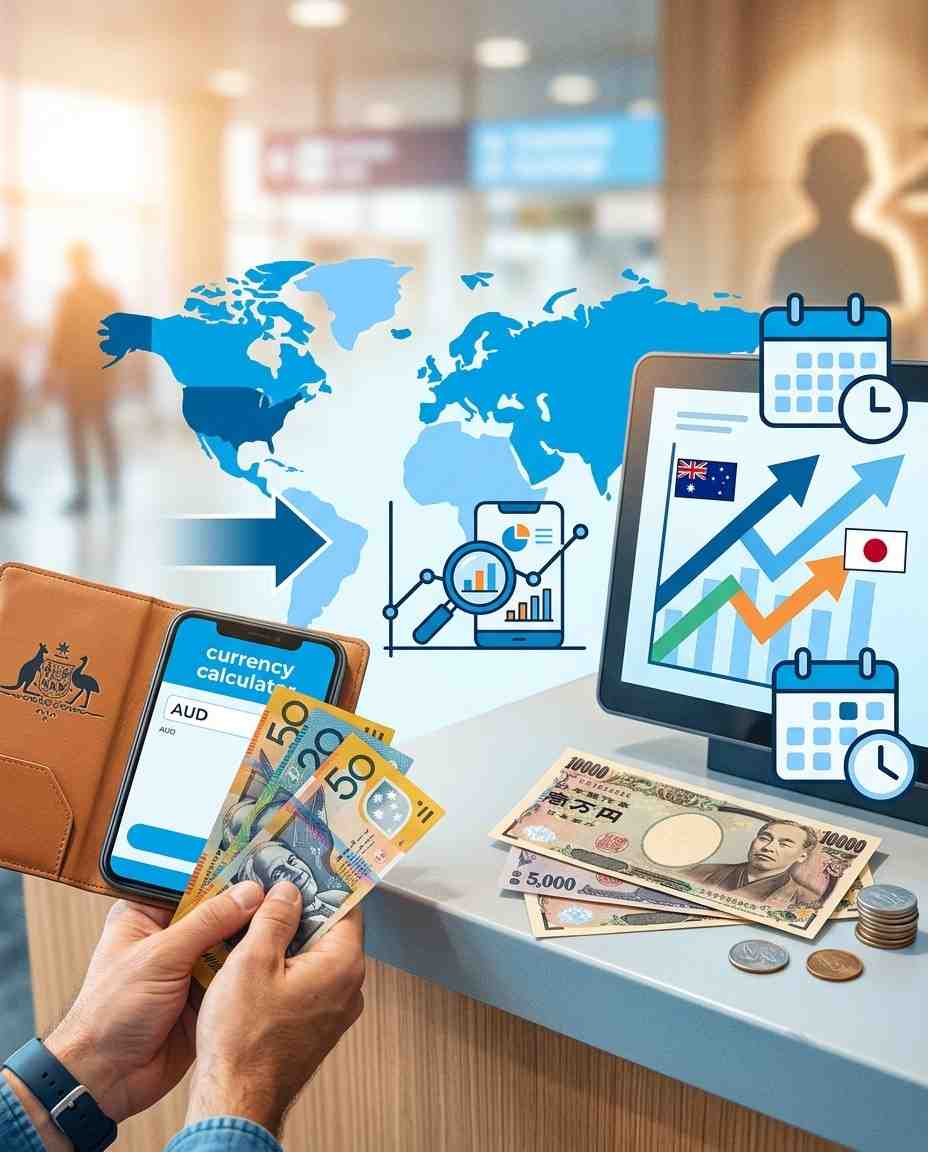
Getting a good rate on Japanese Yen comes down to timing, platform choice, and knowing what to compare. A few straightforward habits make a real difference:


What Denominations Should You Request?
This is a detail that most travellers do not think about until they are standing at a temple gate with only a JPY 10,000 note and nowhere to get change. Japan’s cash culture is also a precise one many vendors prefer exact or near-exact payment, and breaking large notes at smaller establishments can be awkward.
When ordering JPY through Danesh Exchange, it is worth requesting a mix of denominations:


Coins are also widely used in Japan the JPY 500 coin in particular is a high-value denomination commonly used for vending machines, coin lockers at train stations, and small purchases. You will accumulate coins quickly once you arrive, so a small coin purse is genuinely useful.

Frequently Asked Questions
Can I use my Australian card in Japan?
Yes, but with limitations. Major convenience store ATMs (Seven Bank at 7-Eleven and Japan Post Bank ATMs) accept most international cards and are generally reliable. However, many smaller retailers, restaurants, and regional venues are still cash-only. A card is a useful backup, it should not be your primary strategy.
Is it cheaper to buy Yen in Australia or in Japan?
In most cases, buying Japanese Yen in Australia through a specialist provider like Daneesh Exchange gives you better rate control and predictability. While certain ATMs in Japan offer reasonable withdrawal rates, you are subject to whatever the AUD/JPY rate is doing on the day of your withdrawal, plus any international transaction fees from your Australian bank. Buying in advance locks in a rate when it suits you.
How long does it take to receive my JPY order from Danesh Exchange?
Orders are typically fulfilled within 2 to 3 business days, either via secure home delivery or Click and Collect from your nearest Australia Post location. We recommend ordering at least one to two weeks before your departure date to allow comfortable lead time.
Is there a minimum or maximum order amount for Japanese Yen?
Daneesh Exchange caters to a wide range of order sizes, from individual travellers through to families and group tours. For specific order limits and current live rates for JPY, visit our Japanese Yen currency exchange page or contact our team directly.

Order Your Japanese Yen Before You Fly
Japan rewards preparation. The travellers who get the most out of the country are the ones who arrive ready with the right rail passes, the right bookings, and yes, the right cash in their wallet. Sorting your Japanese Yen before you leave Australia is one of the simplest things you can do to make your first hours in Japan seamless rather than stressful.
Danesh Exchange offers competitive live rates on JPY with $0 commission, secure packaging, and flexible delivery options across Australia. Whether you are heading to Tokyo, Kyoto, Osaka, or exploring the quieter regional prefectures, we make sure your Yen is sorted well before boarding.
Check today’s live AUD to JPY exchange rates and order your Japanese Yen online through Danesh Exchange or visit our Currency Exchange Melbourne and Currency Exchange Sydney locations for in-person service.