How Much Cash Should You Carry in Europe? A Practical Guide for Australian Travelers
Europe is a popular destination for Australian travellers, offering everything from historic cities and beautiful coastlines to cultural experiences and memorable food. Whether you’re planning to explore Paris, Rome, Amsterdam, Berlin or several destinations on one trip, preparing your travel money is an important part of the journey.
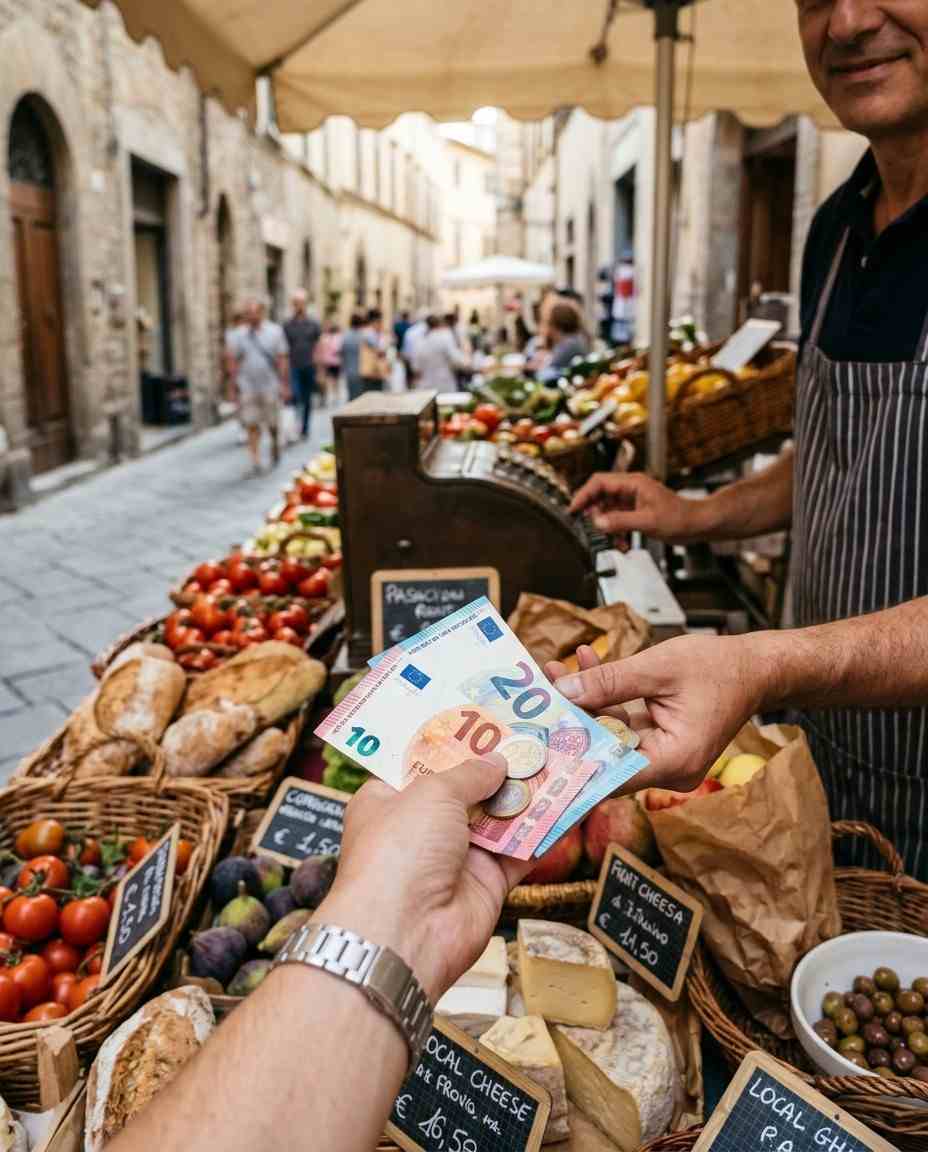
While cards and digital payments are widely used across many European destinations, carrying some cash can still be useful. From small cafés and local markets to public transport and everyday purchases, having euros available can make certain situations easier.
So, how much cash should you carry when travelling around Europe? Here’s what Australian travelers should know before exchanging their money.

How Much Euro Cash Should You Take to Europe?
The amount of cash you need depends on your itinerary, travel duration and spending habits. There is no single amount that works for every traveller.
For example, a traveller staying mainly in major cities with prepaid accommodation may use cards for most expenses. Someone exploring smaller towns, local markets or rural destinations may find cash more useful.
Before deciding how many euros to carry, consider:

A good starting point is to estimate your daily expenses and decide which payments you are likely to make using cash.
Is Cash Still Useful When Travelling Around Europe?
Yes. Although card payments are common across many European cities, cash remains useful in certain situations.
You may find cash convenient when:
However, larger hotels, restaurants, supermarkets and established retailers commonly accept cards.
The best approach is to carry a reasonable amount of euros while keeping a suitable international payment card as your primary or alternative payment method.
One important point: not every European country uses the euro. Countries such as the United Kingdom and Switzerland have their own currencies. If your itinerary includes multiple countries, check which currency is accepted at each destination before travelling.
Understanding Euro Banknote Denominations
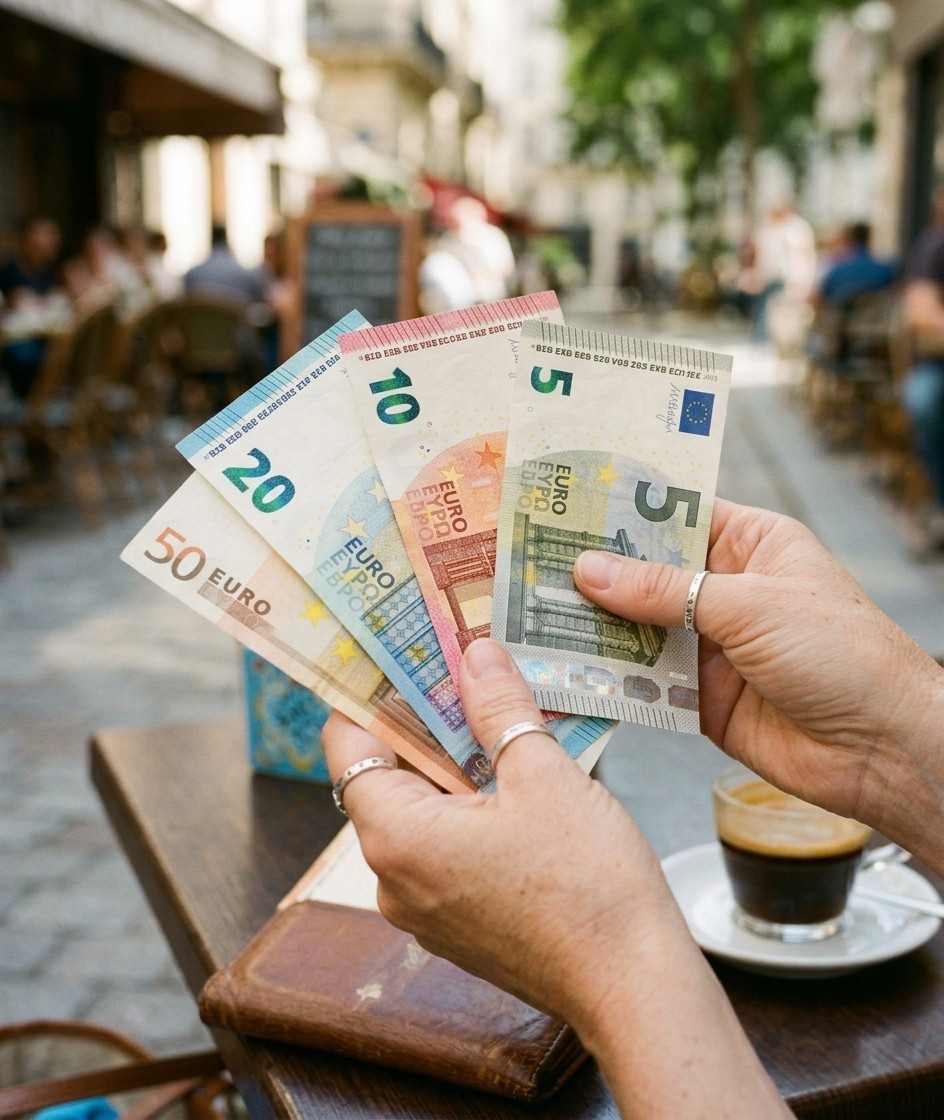
The euro is used by many European destinations and is available in several banknote denominations.
Common euro banknotes include:
For everyday travel expenses, smaller denominations can be more practical.
For example, €10 and €20 notes may be convenient for cafés, local shopping and smaller purchases. Larger notes may be more suitable for certain higher-value transactions, although individual businesses may have restrictions on accepting them.
When arranging your travel currency, consider requesting a suitable combination of denominations based on your expected spending.
Should You Buy Euros Before Leaving Australia?
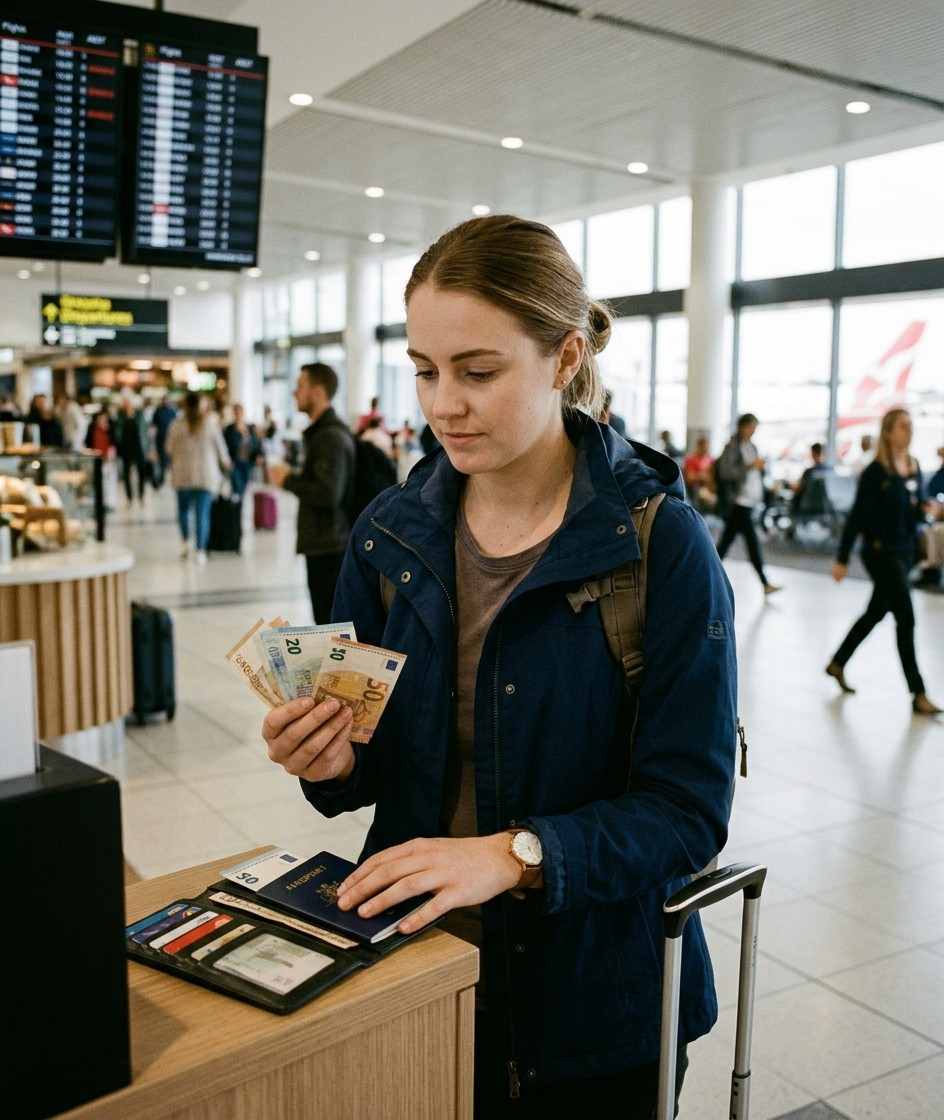
Exchanging some Australian dollars into euros before departure can help you avoid arriving at your destination without local cash.
It also gives you the opportunity to compare exchange rates and understand the amount you will receive before making the exchange.
Here are a few things to check before purchasing euros:
You can explore the available options through Danesh Exchange’s Buy Euros page before organizing your travel money.
Practical Tips for Managing Euros During Your Trip
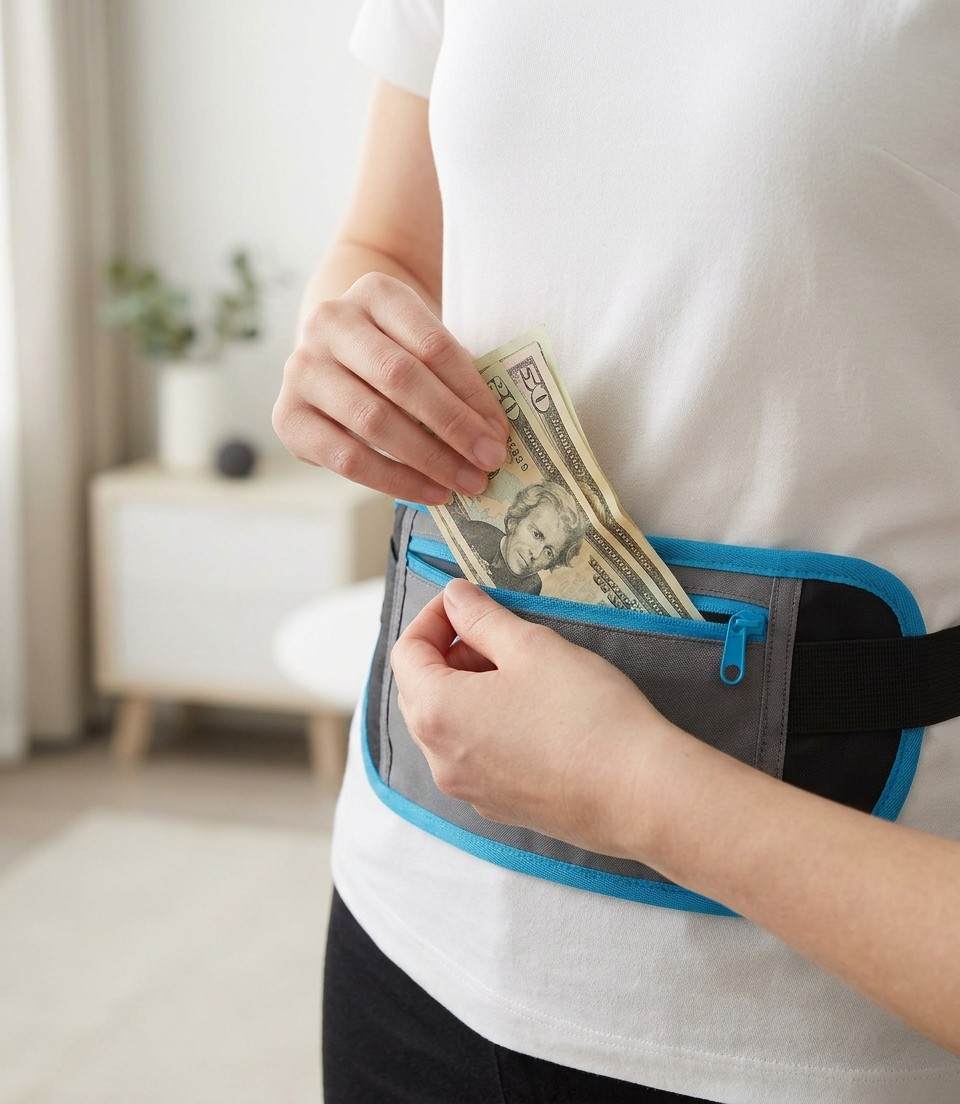
Once you arrive in Europe, managing your cash carefully can help you avoid unnecessary inconvenience.
Here are some simple tips:
If you are visiting multiple countries, remember to check the local currency in each destination. Having euros does not automatically mean you can use them everywhere in Europe.
A little planning before departure can make managing your travel money much easier.
Frequently Asked Questions (FAQ)
How much euro cash should I take to Europe from Australia?
The amount depends on your travel duration, destinations and spending habits. Estimate your expected daily cash expenses, consider which costs are already prepaid and keep a small reserve for unexpected situations.
Is it better to carry cash or use a card in Europe?
Both can be useful. Cards are widely accepted in many European destinations, while cash can help with smaller purchases, local markets and businesses that do not accept cards. Carrying both gives you greater flexibility.
Should I exchange Australian dollars for euros before travelling?
Exchanging some money before departure means you have local currency available when you arrive. It also gives you time to compare exchange rates and understand the amount you will receive.
Do all European countries use euros?
No. Many European countries use the euro, but others have their own currencies. For example, the United Kingdom uses British pounds and Switzerland uses Swiss francs. Always check the currency used in your planned destinations.
Which euro banknotes are best for travelling?
Smaller denominations such as €5, €10 and €20 are generally convenient for everyday purchases. Carrying a combination of denominations can make managing your travel expenses easier.
Prepare Your Euros Before Your European Holiday
Whether you’re planning a short city break, a family holiday or an extended European adventure, organising your travel money in advance can make your journey more convenient.
Having some euros ready before departure means you can take care of initial expenses and enjoy greater flexibility when you arrive.
Planning a trip to Europe?
Visit Danesh Exchange to explore our Buy Euros service and exchange your Australian dollars for euros before you travel.
Get your travel money organised and make your European holiday one to remember.